Influencer vs. Creator: What's the difference?

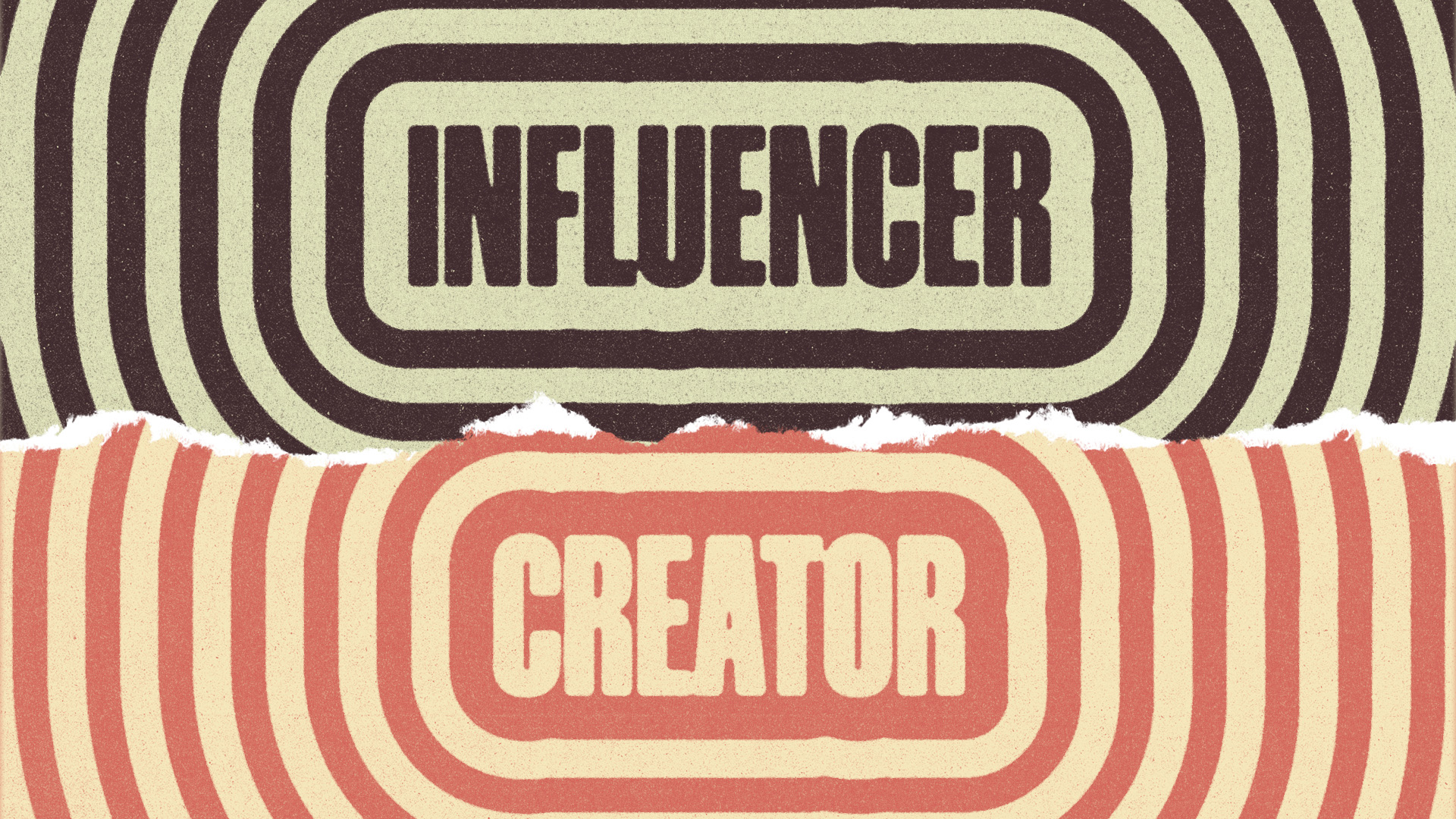
Over the past decade, the internet has been an ever-evolving part of the marketing world. From what began as paid advertising opportunities (think the Kardashians and their Sugar Bear Hair partnership), has become a completely different ball-park, so much so that even our language surrounding digital media is in continuous flux.
At the centre of this flux are two terms everyone knows well: influencers and creators. Often used interchangeably, there can be confusion, on both brand and audience sides, as to what the difference is between the two. Luckily, we’re here to break it down and set the record straight, once and for all.
Influencers – what are they and how do brands utilize them?
The term ‘influencer’ has been seen in every crack and crevice of the internet. Most commonly associated with celebrities such as the Kardashians, they usually harbour millions of fans and followers. Through carefully curated Instagram feeds and social platforms, they share insights into their everyday lives, offering audiences a glimpse into a lifestyle that they may aspire to.
This is perhaps why influencers tend to have built their platform based on initial fame from something else. Take footballers such as Ronaldo for example, while not necessarily a self-proclaimed “influencer” in the more classical sense, his 671M instagram followers (only narrowly earning him second-place as the most followed on the app following Instagram itself), offer a level of influence that could amplify a brand’s success colossally.
Binance, the world’s largest cryptocurrency exchange, for instance, have collaborated with Ronaldo numerous times, utilising his predominantly male, young fan-base to create more opportunity for revenue.
This partnership is especially effective because both parties have overlapping users - globally 61% of cryptocurrency owners are men (FXTM, 2025) with the global men’s football industry garnering 58% of viewership from their male fans (YouGov, 2023). Here, Ronaldo’s reach is what makes him influential - not necessarily the content itself.
So, for brands wanting to use influencers, it’s best to utilize this network for the biggest chance of reach. This way, there is more opportunity for consumers and as a result more opportunity for revenue.
Creators – what are they and how do brands utilize them?
Creators, on the other hand, focus on ensuring that the content they produce aligns authentically with their personal brand. While an influencer’s primary asset is often their reach—driving short-term ROI—a creator’s strength lies in active engagement, which delivers long-term value. As a result, many creators may not have large followings, but the more intimate and intentional nature of their content fosters stronger audience loyalty. This deeper connection builds trust, making their audiences more receptive to their opinions and recommendations. That is not to say that influencers do not provide growth opportunities with their reach, but that creators are more likely to sustain this growth with their creatively-driven content.
Corporate Natalie, a creator who posts satire content about the trials and tribulations of working in Corporate America, serves as a leading example of a creator who has successfully managed to build an engaged and loyal audience through her relatable and authentic story-telling. Though she has a large reach (over 1.3m followers on Instagram, 800k followers on TikTok), it’s her comedic sketch work that distinguishes her from the influencer label. She is a creator because her brand is centred around the content she creates, rather than, as with influencers, a lifestyle she seeks to give her audience an insight into.
Why does it matter?
Ultimately, the difference between influencers and creators is not about who is “better,” but about what a brand is trying to achieve. Influencers offer scale, visibility, and immediate reach, making them ideal for awareness-driven campaigns. Creators, however, provide depth, authenticity, and long-term value through trust and engagement.
As the digital landscape continues to evolve, the most effective marketing strategies will be those that combine the reach of influencers with the authenticity and engagement of creators. Brands that understand how to integrate both, rather than treating them as interchangeable, will be best positioned to achieve sustained growth in an increasingly competitive digital landscape.
MORE FROM THE FEED


UNLEASH THE POWER OF CREATOR